Dublin Gallery Weekend, aemi & Lighthouse Cinema present:
‘Questions of Travel’ + post-screening Q&A with film artists Michael Barwise, Gerard Byrne, Emma Finn, Susan Hughes and Jaki Irvine
Curated by aemi as the first of three FREE screenings taking place at the Lighthouse for Dublin Gallery Weekend, ‘Questions of Travel’ brings seven works together by Michael Barwise, Gerard Byrne, Vivienne Dick, Emma Finn Susan Hughes and Jaki Irvine. Thinking abstractly about notions of travel and dislocation, inspired by Elizabeth Bishop’s 1965 poem of the same name, the films in this programme move us across time from the early 1980s to the present day offering insight into the unique and subversive ways Irish film artists have engaged the moving image to enact agency over power structures, celebrate creative expression and mark states of dissolution, disfunction and disrepair.
November 6th @19:00
FILM INFO:
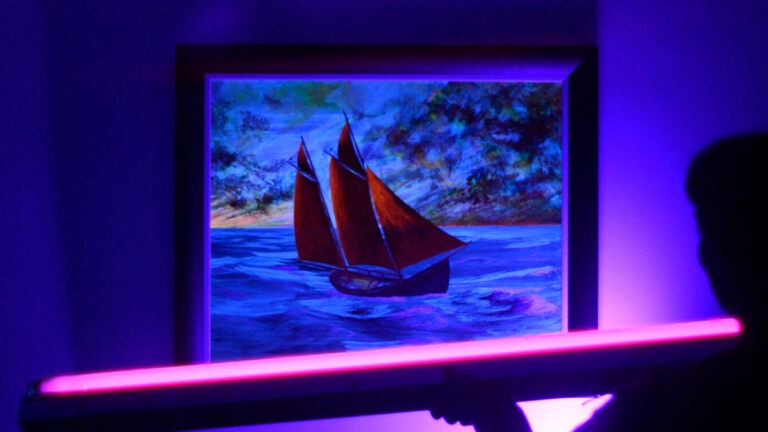
Ultraviolet, Susan Hughes, 2026, Northern Ireland, 19 mins
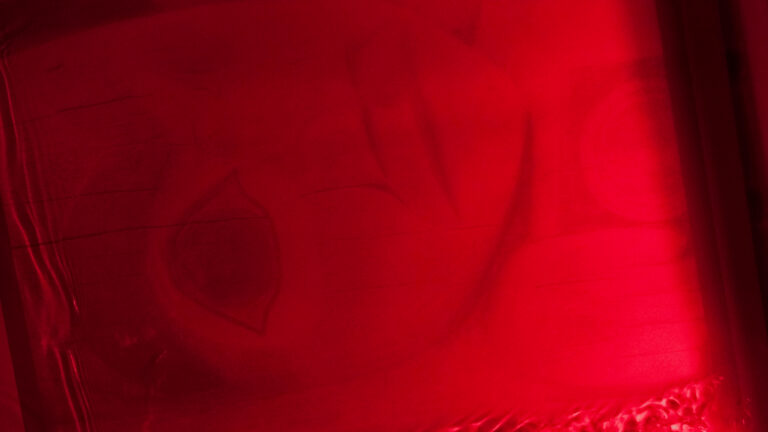
Test Strips, Gerard Byrne, 2025, Ireland, 13 minutes
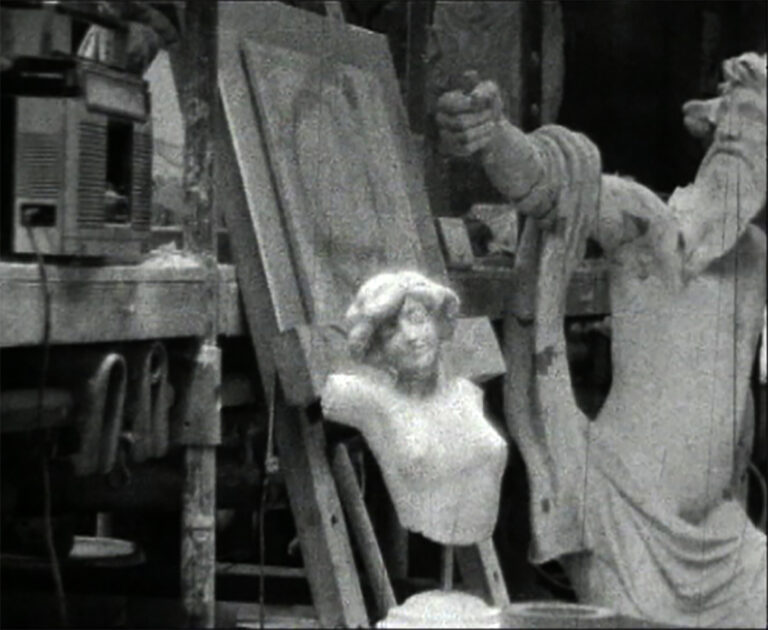
Sweettooth, Jaki Irvine, 1993, Ireland, 3 minutes
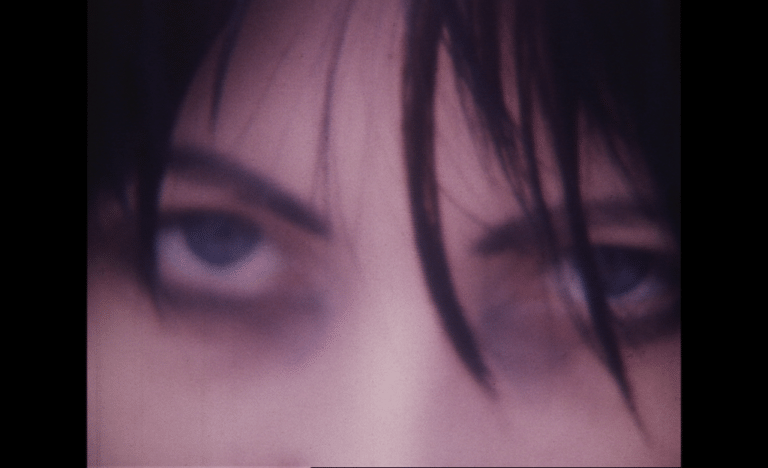
Like Dawn to Dust, Vivienne Dick, 1983, U.S.A., Ireland, 7 minutes
The Great Unease, Emma Finn, 2025, U.K., Ireland, U.S.A., 6 minutes
Star, Jaki Irvine, 1994, Ireland, 3 minutes
That Sanity Be Kept, Michael Barwise, 2025, U.K., Ireland, 10 minutes
TOTAL RUNNING TIME: 61 minutes
This screening will be followed by a Q&A with filmmakers featured in the programme.

SYNOPSES
Ultraviolet, Susan Hughes, 2026, Northern Ireland, 19 mins
A phantasmagoric portrait of Donegal as a hauntological goldmine. Stories bleed from every pore, revealing a rich tapestry of folklore, fairylands, and the construction of Disneyland Paris.
Test Strips 2025, Gerard Byrne, 2025, Ireland, 13 minutes
Test Strips 2025 depicts in realtime the slow emergence of a set of photographic images, rocking back and forth in a tray of developer, under the red safelight of a darkroom. Still images, appearing from a different time, slowly become visible across time, accompanied by a voice over, that recounts the history of ownership of the camera used to make the photographs. Test Strips 2025 invokes thoughts about artistic ambition, resilience, and the untimeliness of artistic practice.
Sweettooth, Jaki Irvine, 1993, Ireland, 3 minutes
Set in a sculpture restoration studio in Vauxhall, the film is shot in timeless sepia. The camera roams, in one long take, around the interior. It caresses the delicately chiselled forms of classical statuary and gothic gargoyles, friezes and bas-reliefs, their dusty plaster and marble surfaces perfectly in harmony with the powdery soft focus of the lens. [An] accented voice… delivers [a] story to the notes of a Prokofiev waltz, the lapidary ‘Waltz of the Diamonds’. – From ‘Between You and Me‘ published in Frieze, Issue 24, 09 Aug 1995
Like Dawn to Dust, Vivienne Dick, 1983, U.S.A., Ireland, 7 minutes
Lydia Lunch in Connemara on the difficulties of relationship. Voice and soundtrack by Ms Lunch. – Vivienne Dick
Like Dawn to Dust, made two years later, takes up the exploration of the rural landscape initiated in Visibility Moderate but it is characterized by a very different mode of address. Instead of appropriating from radio, television or film, Dick develops a more overtly ‘poetic’ aesthetic, through performance, cinematography and sound. The opening shots of a decaying ‘Big House’ bearing the scorch marks of a fire, are accompanied by an off-key piano, recalling stage melodrama or early cinema. The house, most likely a remnant of Anglo-Irish society, is abandoned but for the figure of Lydia Lunch, wearing her signature New York ‘Goth’ make-up and clothes. Lunch delivers a poetic monologue, both on screen and in voice-over, over a traditional soundtrack and her final words emphasize the circularity of Irish narratives: ‘the past never dies, it just continually repeats itself.’ – Maeve Connolly, From no Wave to national cinema: the cultural landscape of Vivienne Dick’s early Films (1978-1985), National Cinema and Beyond, Four Courts Press, 2004.
The Great Unease, Emma Finn, 2025, U.K., Ireland, U.S.A., 6 minutes
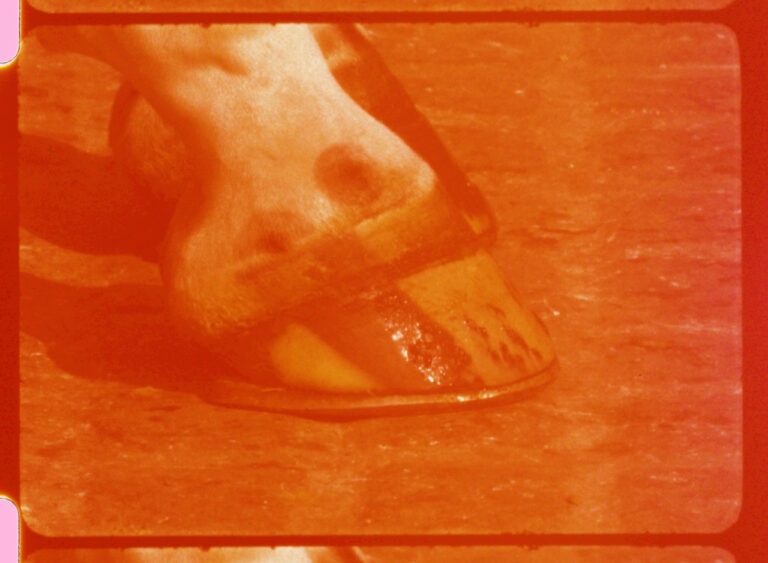
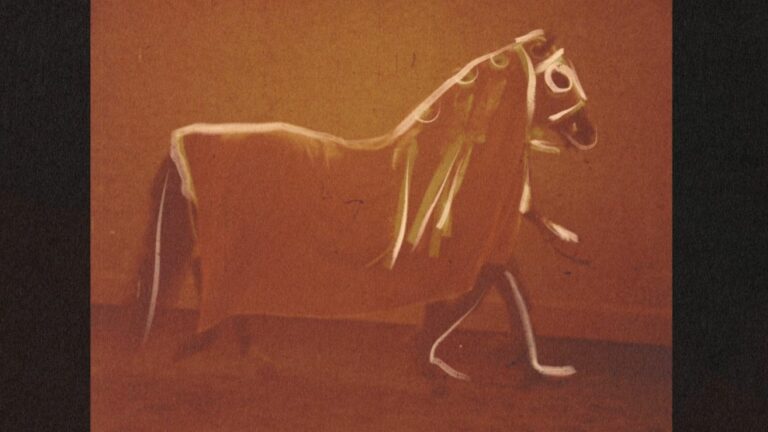
The Great Unease (2025) examines the unsettling spectacle of the British Royal Horse Guard, where creatures great and small defend the past by standing still in the present day. The film reanimates the 2024 incident of military horses running riderless through central London, an image in which ceremony and control collapsed into one another. Integrating hand-drawn animation, the artist’s 16mm filmmaking, and found material, Finn studies the violence of capture: how it exists in action, control, stillness, or even in the act of observation itself. The film also features an excerpt from The Artist’s Horse (1978) by British photographer John Bulmer, whose lost film reel Finn found on eBay and returned to him, decades later. The Great Unease is the first part of a larger project investigating how horses serve as instruments of power, control, and representation, probing the tension caught between our two species. Through mark-making on the image, Finn challenges the perceived neutrality of the archive, revealing the violence inherent in representation and restoring subjectivity to figures frequently reduced to political or cultural symbols.
Star, Jaki Irvine, 1994, Ireland, 3 minutes
A camera circles shakily round and around an enormous crystal chandelier, catching its jewelled magnificence in mellow soft focus, as if seen through a smoky haze or the eyes of someone tipsy. A narrator recounts a story in a sonorous, Dietrichesque voice. ‘This is a dry story with a lot of wodka’ she says, resting an instant on the word. The romantic strains of Prokofiev accompany her narration. A strange tale of intoxication, indifference and intimacy – From ‘Between You and Me‘ published in Frieze, Issue 24, 09 Aug 1995
That Sanity Be Kept, Michael Barwise, 2025, U.K., Ireland, 10 minutes
A night on the town in 1990s Derry descends into an abstract nightmare of drink, sweat and the inescapable feeling of being watched.